
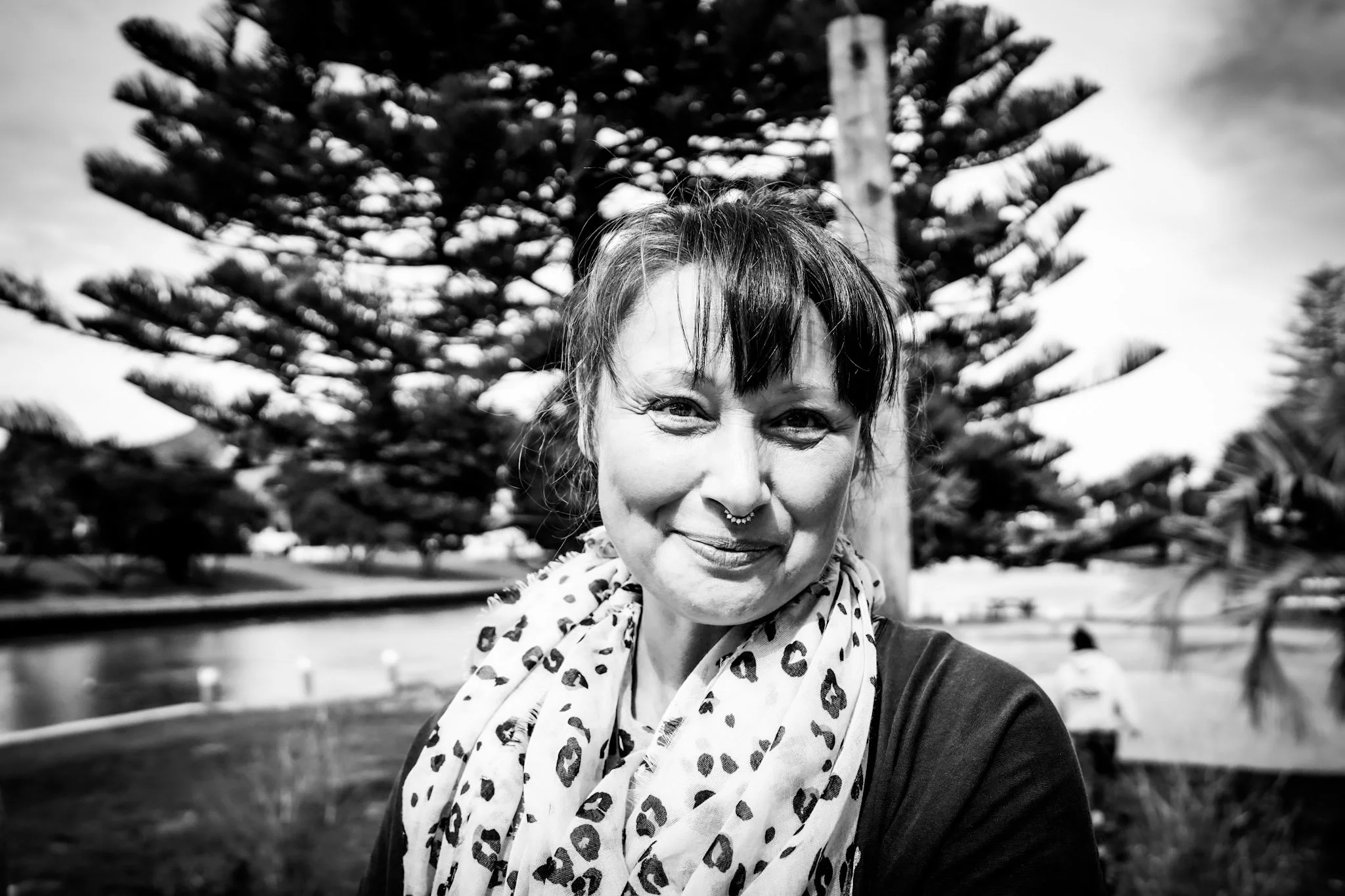
Jacqueline Kay
Bio
Im an Art and Photography teacher of 24 years experience. Im from the UK and have been living in Tairāwhiti for 15 years. I paint mostly in oils and often use the traditional glazing method which gives the colours such depth and vibrancy.
Description
For this exhibition I am creating an oil painting portraiture that symbolises the displacement of species from the land due to building in places that affect the local habitat. Building on wet lands and the consequences of poorly managed habitat destruction. The Kaitiaki of Tairāwhiti is the Lorax from Dr Seuss’s tale to heed warnings and give ominous consequences for actions.
Social - @jacqueline_kay_artist
Contact - visionpractitioner@gmail.com
Link to research
Jacqueline’s oil portraiture work symbolises the displacement of species caused by building on wetlands and the consequences of poorly managed habitat destruction. Her piece draws on Dr Seuss’s Lorax — reimagined here as a Kaitiaki for Tairāwhiti — to sound warnings and remind us of the ominous outcomes when environments are not cared for.
The research echoes these concerns, documenting the grief of whānau witnessing the loss of native species, damaged ecosystems, and habitats reshaped by human activity:
“The destruction of wetlands and forests has left our environment vulnerable. What once sheltered and sustained us is now fragile.”
At the same time, the report highlights the strong role of kaitiakitanga in local responses:
“Participants spoke of their responsibility as guardians, to act now to protect biodiversity and ensure future generations inherit a living environment, not a broken one.”
Jacqueline’s work stands as a visual warning, much like the Lorax himself — urging us to listen, to see the signs, and to take responsibility before more is lost. It reminds us that kaitiakitanga is not just about preservation, but about heeding the calls of the whenua, waters, and species that cannot speak for themselves.
