
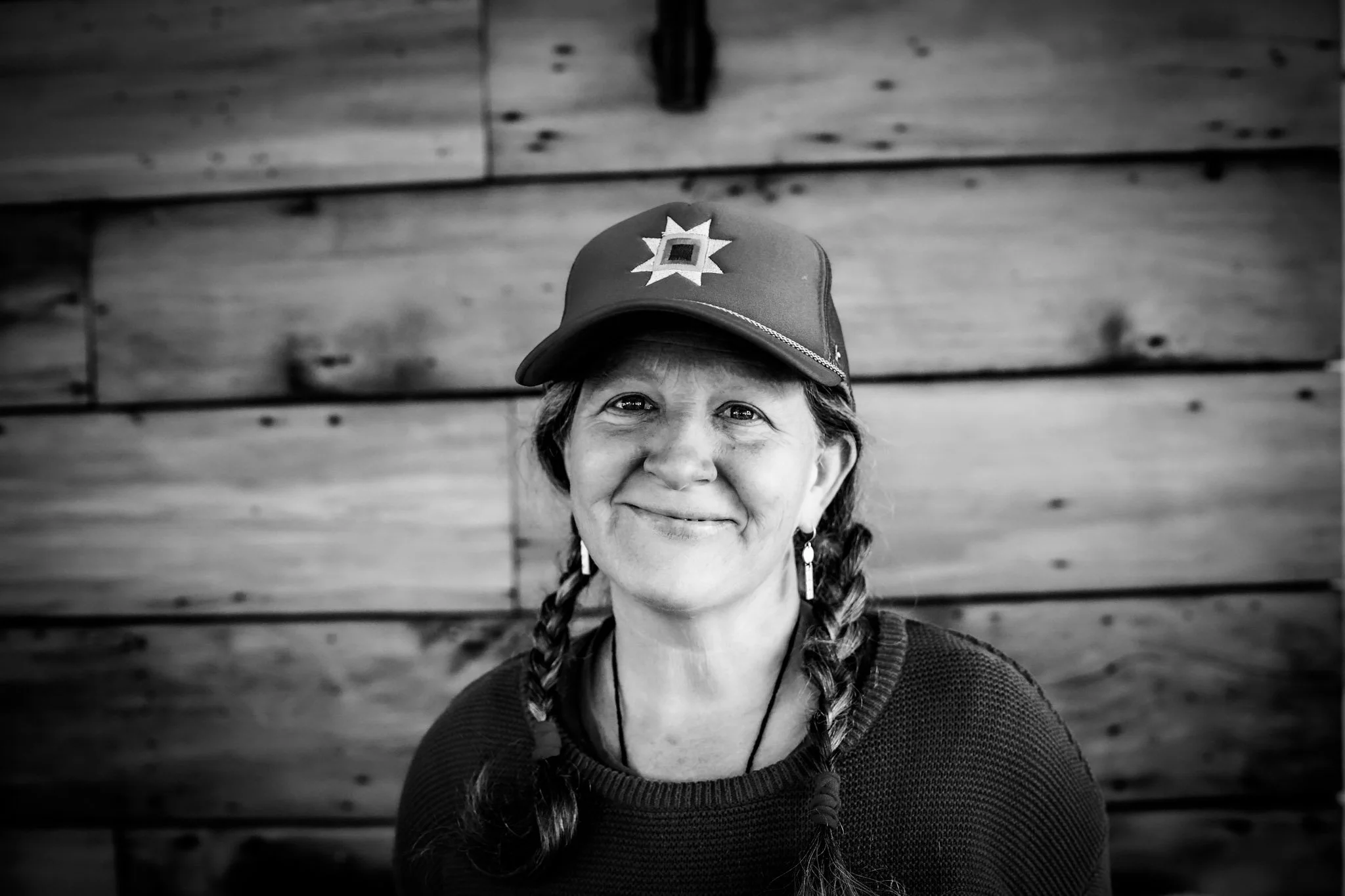
Amanda Roe
Bio
I need a minute to think about this.
Description
I was intrigued by the intersection of hauora + art + climate change right from the intro of this kaupapa. I knew I would like to help bring stories and research into tangible form without being overly literal. While reading through the research, I was captivated by a lot of what I was reading, but kept getting so many images of the barrier between the mountain of supplies that was needed and the inability to deliver: Physically, due to weather and destruction. Technologically due to internet and power cuts. I was super impressed with the way the pharmacies organised amongst themselves to respond to the rising and diversifying needs.
Follow
Contact - Amanda@roe.co.nz
Link to research
The barrier between the mountain of supplies that was needed and the inability to deliver: Physically, due to weather and destruction. Technologically due to internet and power cuts.
Amanda’s reflection captures the crushing gap between urgent need and the systems that failed to deliver. She names it clearly: “The barrier between the mountain of supplies that was needed and the inability to deliver: physically, due to weather and destruction. Technologically due to internet and power cuts.”
This speaks directly to the report’s findings, where participants described frustration at knowing help was “out there” but being unable to access it:
“We heard trucks and helicopters, we knew supplies were somewhere, but they couldn’t get to us, and we couldn’t get to them.”
The research also highlights the double-edged nature of these barriers — physical blockages from slips, flooded roads, and destroyed bridges, alongside technological isolation that cut communities off from information, support, and coordination:
“The breakdown of communication networks compounded feelings of helplessness. It was not just the physical isolation, but the silence.”
Amanda’s piece distils that tension into a single moment: the distance between what people desperately needed and the systems that could not reach them. It reminds us that resilience is not only about surviving disaster, but about dismantling the barriers — physical, technological, and systemic — that leave communities stranded.
